
Summary
- Ascena Retail Group reported solid Q1 2020 earnings results due to effective cost-cutting measures and stabilizing operational performance.
- The company has managed to avert a liquidity crisis by selling assets and becoming a leaner enterprise.
- We remain bullish on Ascena shares, although high debt levels remain a concern.
Introduction
We argued in our previous articles on Ascena Retail Group (ASNA) that bankruptcy fears were overblown given the company's debt profile and the steps that management has taken to mold Ascena into a leaner and more profitable enterprise.
Shares have risen substantially since the publication of our first article on ASNA, but we feel that upside potential remains following the publication of solid Q1 results.
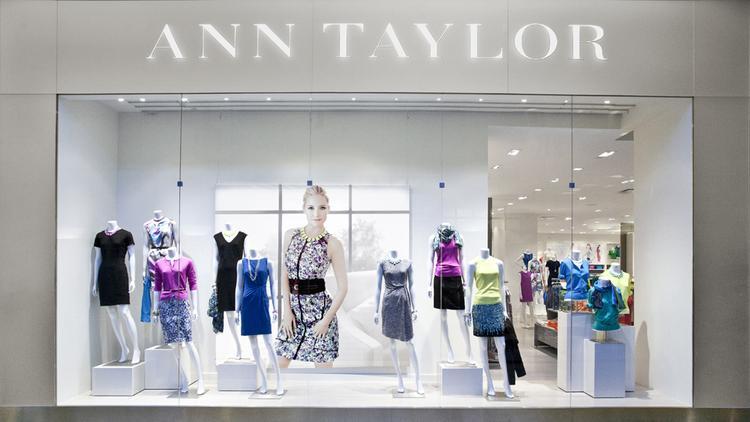
(Source: Business Journal)
Business Overview
Ascena Retail Group is a women's apparel specialty retailer. It operates several well-known brands, including Ann Taylor, LOFT, Catherines, Lane Bryant, and Justice. The company has experienced major struggles in recent years due to weak top and bottom line performance, which have been caused by the same headwinds that have negatively impacted Macy's (M), J.C. Penney (JCP), and other major retailers.
Capitalization Table (in millions)
| Share Price | $0.54 |
| Shares Outstanding | 197.6 |
| Market Capitalization | 106.7 |
| Debt | 1,261.0 |
| Cash | 212.0 |
| Enterprise Value | 1,155.7 |
(Source: TIKR.com)
Note that these figures reflect debt reduction that occurred following the end of Q1. Management mentioned on the earnings call that it repurchased an $80 million chunk of its term loan on the open market for $50 million in cash.
Q1 2020 Earnings
Ascena released its Q1 2020 earnings results this afternoon, which showed flat business performance and improved profitability. Key takeaways are as follows:
- Same-store sales were flat year/year - excluding Dressbarn (which Ascena is winding down), comps were down 2%.
- Gross margin declined by 30 basis points to 59.6% from 59.9% during the prior-year period.
- BD&O (buying, distribution and occupancy) and SG&A expenses declined by 120 and 200 basis points YoY, respectively.
- The above reductions in operating expenses led to operating income of $40 million, up from $1 million in Q1 2019.
We are pleased by these results, as they show that management has made the right decisions to cut costs and get back to profitability after a string of weak top and bottom line results. Ascena needs to show strong profitability in order to refinance its term loan (due in 2022), which makes this quarter's results reassuring.
We would have liked to see better comps performance, which we believe have been negatively impacted by secular headwinds affecting mall traffic and retailers. However, strong bottom line results provide Ascena with a cushion to weather the current weakness in mall traffic.
There is still a considerable amount of pessimism embedded in ASNA's equity price, and we feel that a couple more quarters of improved profitability and stable top line performance should inspire more confidence from investors.

